The CDHVR Project held its Summer School and hands-on digital dentistry training on 13-14 May 2026 at Ankara Yıldırım Beyazıt University Faculty of Dentistry Hospital, Ovacık Campus. With the academic contribution of ACTA, the programme included digital dentistry presentations, TRIOS 3 intraoral scanner training, hands-on digital workflow practice, and VR and haptic-supported dentistry demonstrations.
CDHVR Summer School and Hands-on Digital Dentistry Training Held at AYBU Ovacık Campus
The CDHVR Project, “Curriculum Development in Clinical Dentistry Treatment with Haptic-Based Virtual Reality Application”, held its Summer School and hands-on digital dentistry training on 13-14 May 2026 at Ankara Yıldırım Beyazıt University Faculty of Dentistry Hospital, Ovacık Campus, Ankara.
The programme was organised within the scope of the project’s curriculum development and training-material activities. It brought together project partners, academic staff, research assistants, and undergraduate dentistry students to discuss digital dentistry, haptic-supported learning, VR-based training, and practical implementation of innovative dental education methods.
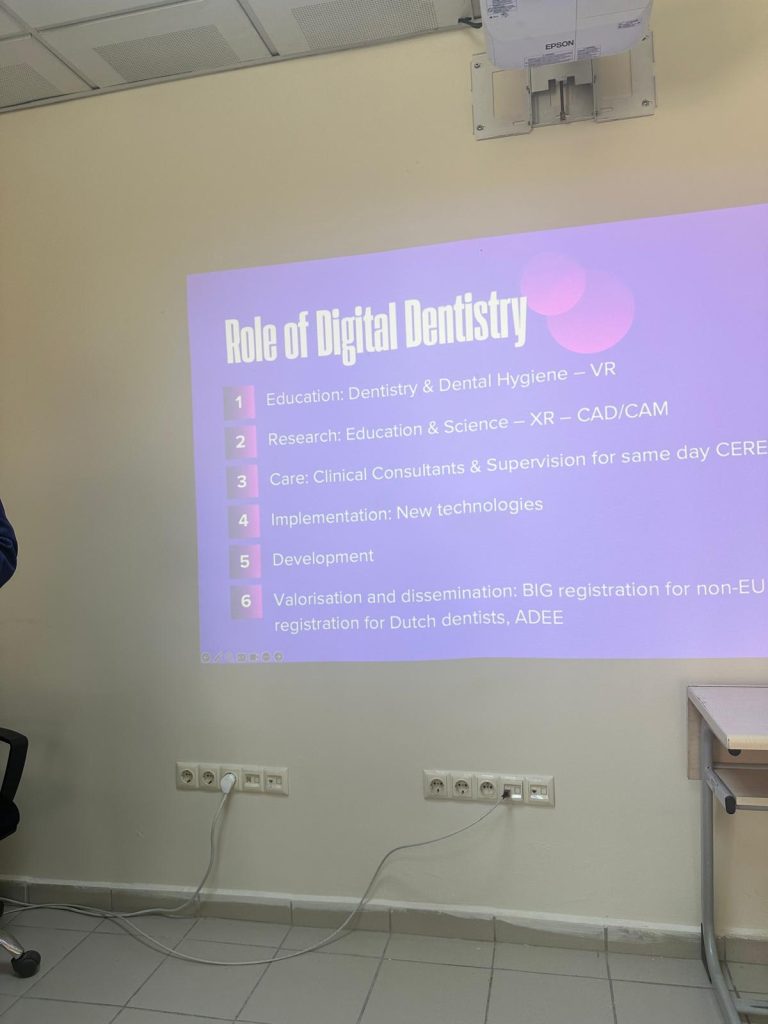
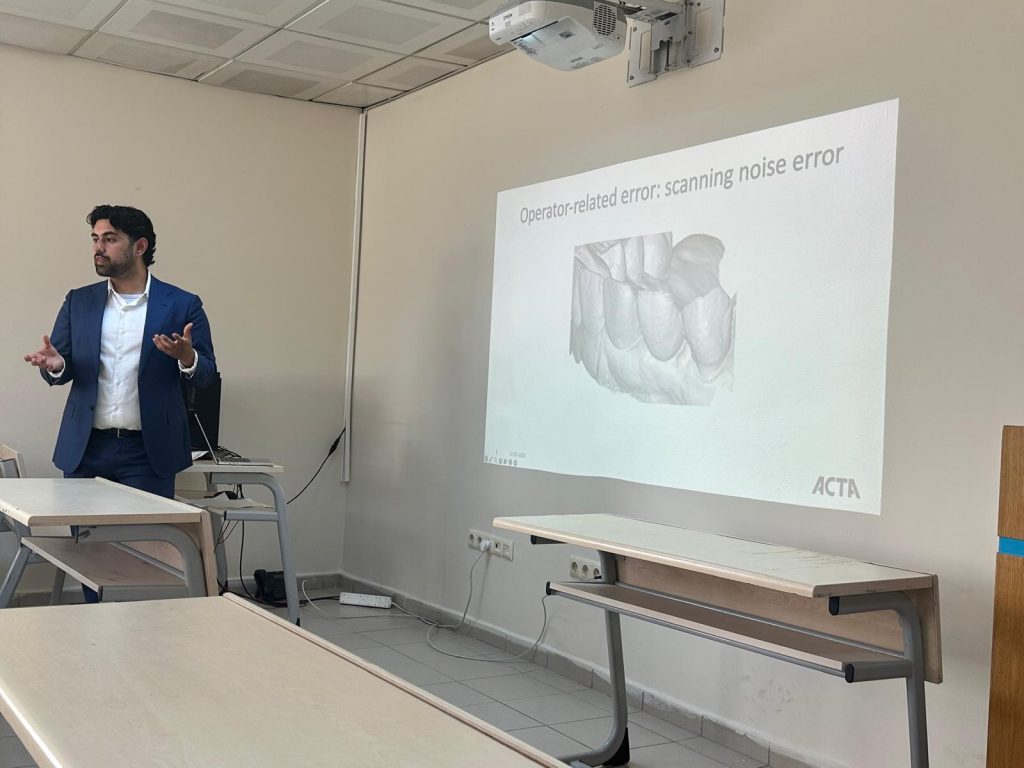
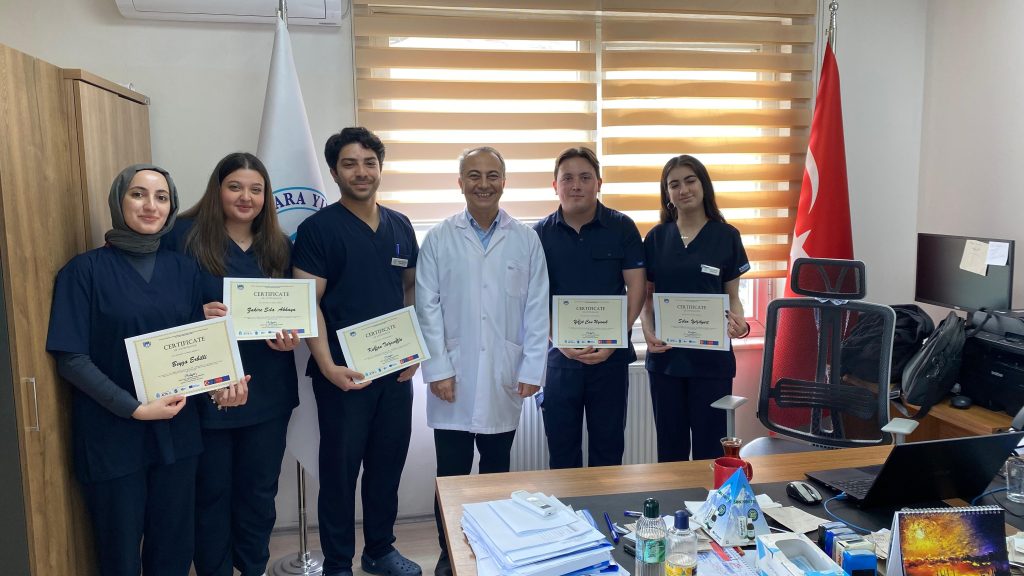
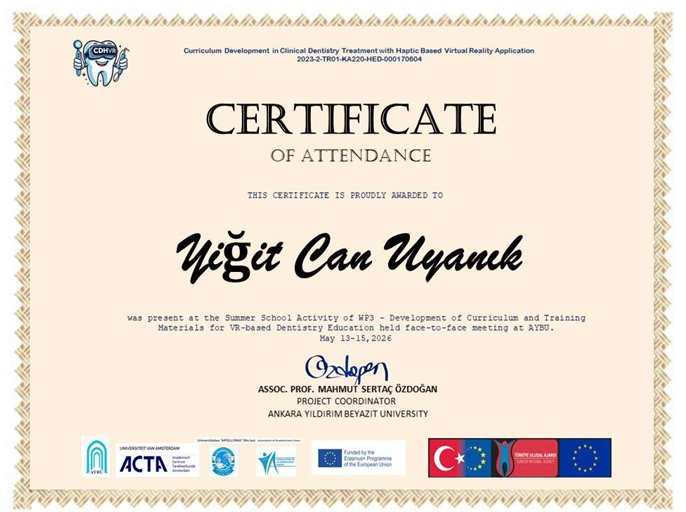
The Summer School included an important academic contribution from ACTA. Dr. Ali Nassralla delivered two presentations based on the digital dentistry education model and clinical training experience at ACTA. His first presentation, titled “Digital Dentistry integrated at ACTA”, introduced participants to the integration of digital dentistry into educational workflows. His second presentation, titled “Digital Dentistry Program at ACTA: A first patient experience”, focused on the educational and clinical pathway of digital dentistry through the first patient experience. Certificates were also given to the students who participated in the trainings.
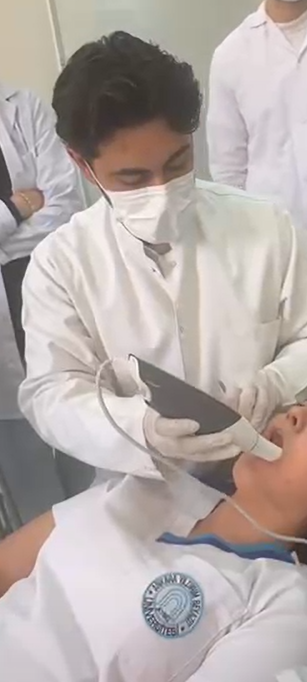
A major part of the programme was dedicated to hands-on digital dentistry training. Dr. Ali Nassralla provided training on the TRIOS 3 intraoral scanner, including scanner setup, basic intraoral scanning workflow, case capture, common practical errors, and clinical use examples. Research assistants and undergraduate students had the opportunity to observe and practise digital workflow steps in a guided learning environment.
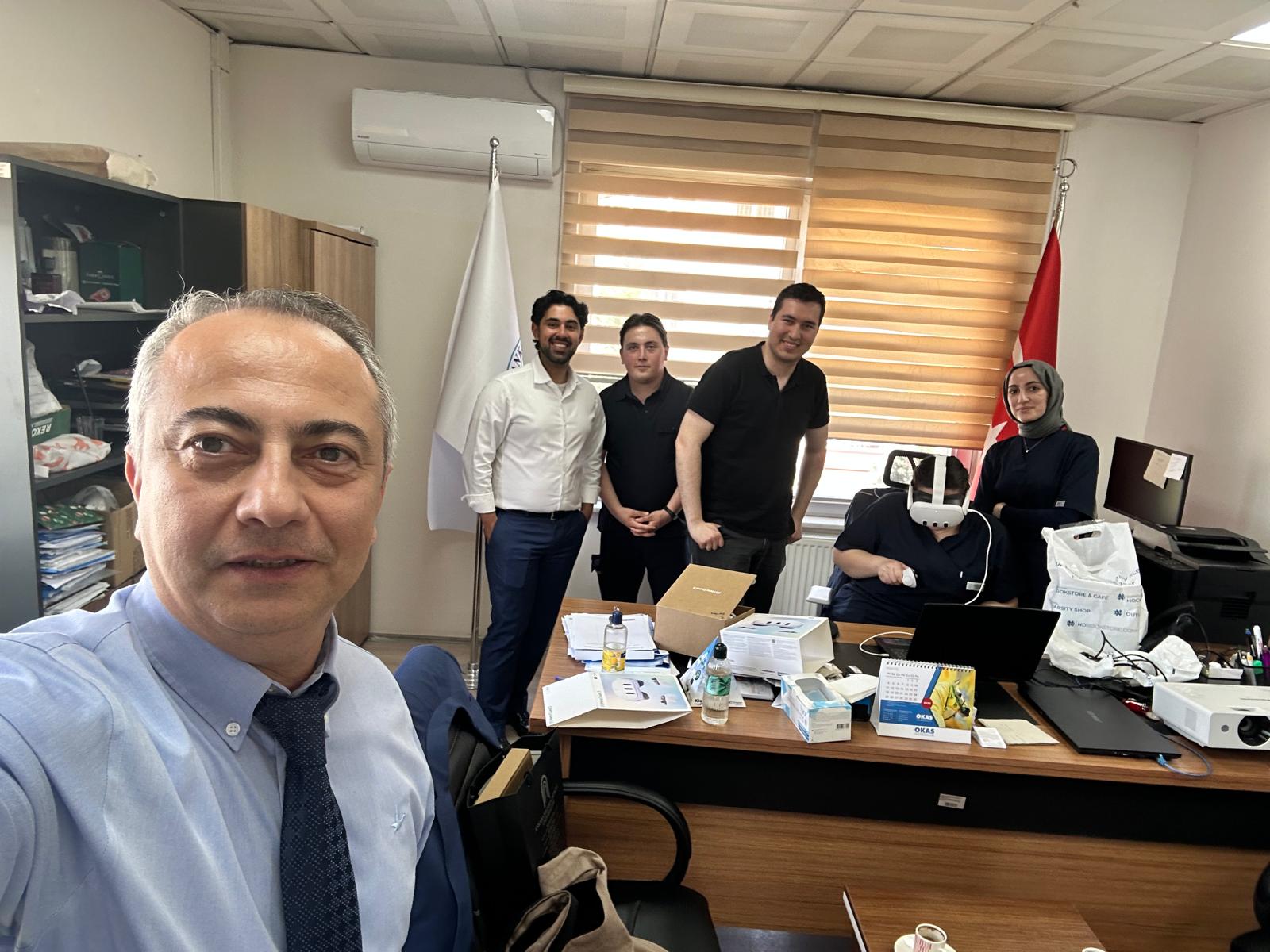
The programme also included practical demonstrations on VR and haptic-supported dentistry training. The CDHVR team presented how haptic-based virtual reality systems can support preclinical dental education, repeated practice, visual feedback, and practical skill development. Participants discussed how these systems can complement conventional phantom-head and clinical training by offering a safe, controlled, and repeatable learning environment.
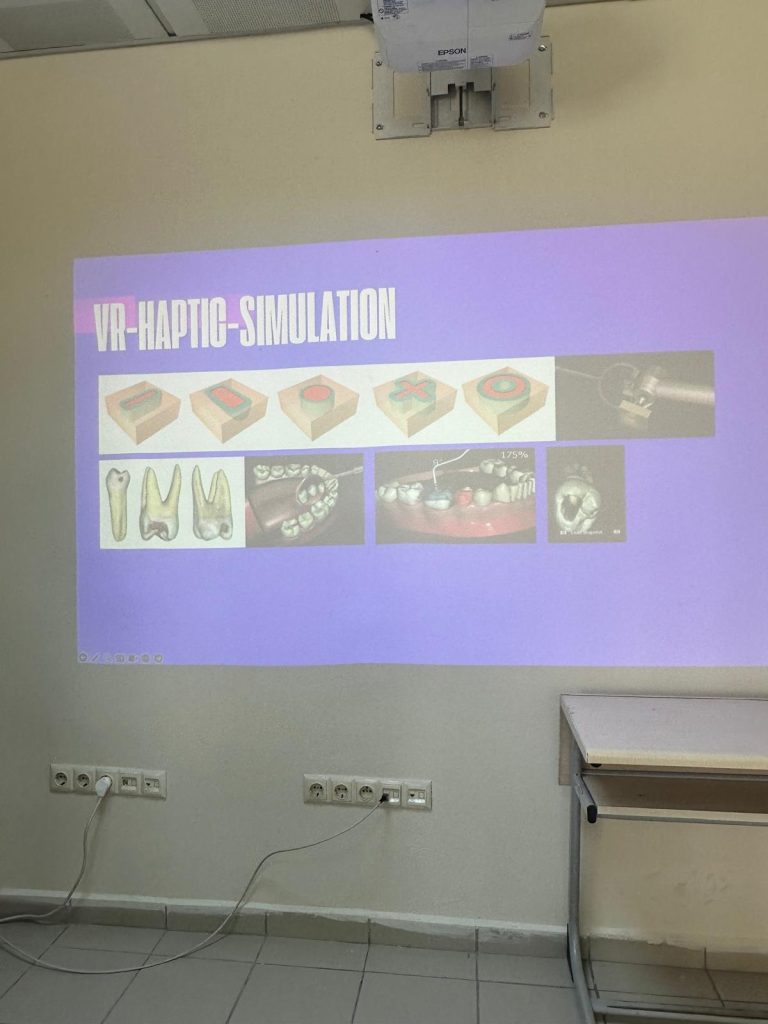
The Summer School strengthened the connection between the project’s curriculum framework and practical digital/haptic training activities. It also provided valuable input for final project reporting, training-material development, and future implementation of the CDHVR curriculum in partner institutions.
The programme continued with the CDHVR Project Closing Meeting on 15 May 2026.